
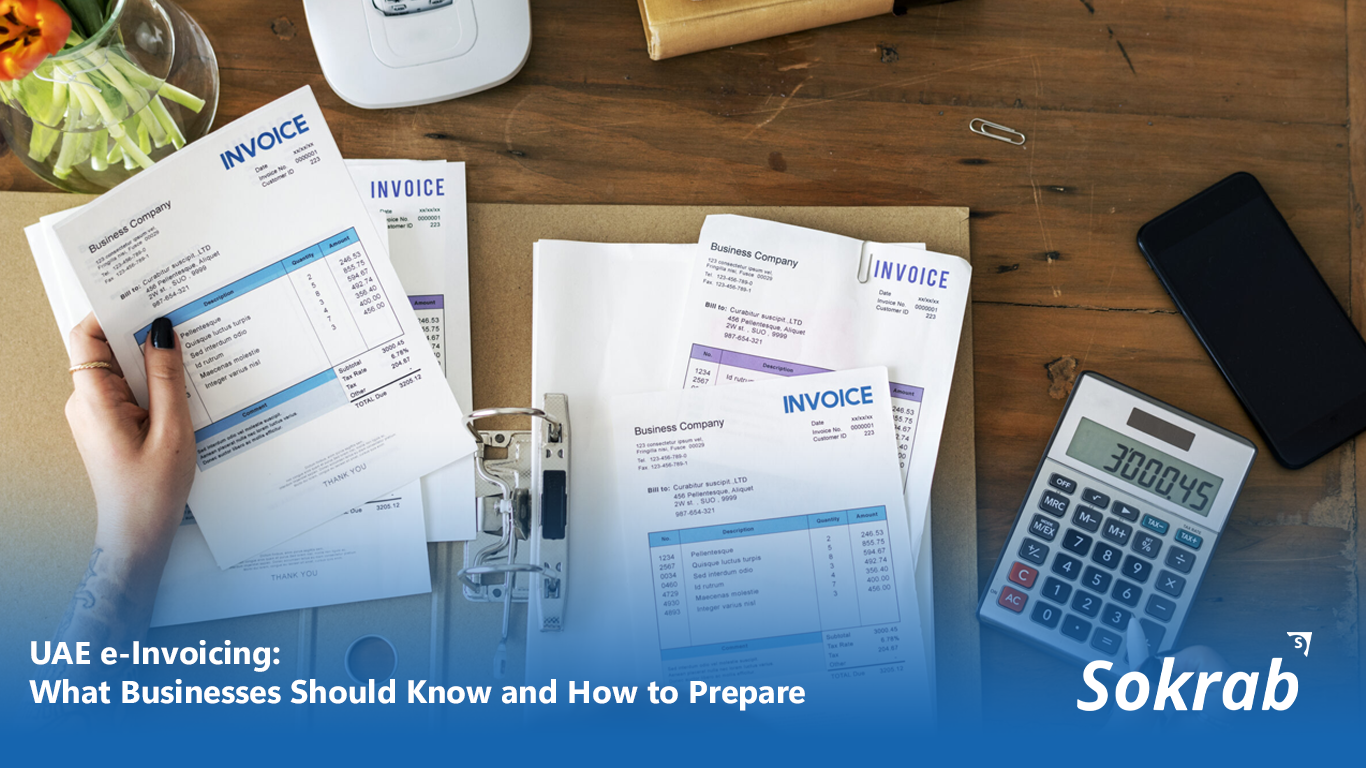
UAE e-Invoicing: What Businesses Should Know and How to Prepare
The United Arab Emirates is steadily advancing toward the introduction of a nationwide electronic invoicing (e-Invoicing) system, a major step in the country’s ongoing digital transformation of tax administration and financial reporting.
As part of its broader strategy to modernize the economy and enhance transparency, the UAE authorities are preparing to introduce a structured framework that will enable businesses to generate and exchange invoices electronically in a standardized format. This initiative is expected to improve efficiency, reduce manual errors, and strengthen compliance with tax regulations.
For companies operating in the UAE, the upcoming e-Invoicing framework represents both a regulatory development and an opportunity to modernize internal financial processes.
What Is e-Invoicing?
Electronic invoicing refers to the creation, exchange, and processing of invoices in a structured digital format rather than traditional paper or PDF invoices.
Unlike conventional invoices, e-Invoices are generated through approved systems that allow transaction data to be transmitted securely between businesses and, where required, to tax authorities through accredited platforms.
Many countries around the world, including several European and Asian economies—have already implemented similar systems to improve tax transparency and streamline business transactions.
Why the UAE Is Introducing e-Invoicing
The UAE’s move toward e-Invoicing aligns with global trends in digital tax administration and financial transparency.
The new framework is expected to deliver several benefits, including:
- Improved accuracy in financial reporting
- Reduced risk of invoicing errors or fraud
- Faster processing of commercial transactions
- Enhanced visibility for tax compliance
- More efficient integration between accounting systems and tax reporting
For businesses, the shift toward e-Invoicing will likely require updates to accounting systems, internal workflows, and digital infrastructure.
Preparing Your Business for e-Invoicing
Although the implementation will be introduced gradually, companies operating in the UAE should begin preparing early to ensure a smooth transition once the new requirements take effect.
Key preparation steps may include:
Reviewing Current Invoicing Processes
Businesses should evaluate their existing invoicing and accounting procedures to determine whether they are compatible with structured electronic invoicing requirements.
Companies relying on manual invoicing or basic systems may need to upgrade their technology platforms.
Implementing Modern ERP Systems
One of the most effective ways to prepare for the upcoming changes is by implementing an integrated ERP system that supports digital invoicing and financial management.
Solutions such as Odoo ERP Implementation allow businesses to automate invoicing processes, integrate accounting data, and ensure compliance with evolving regulatory standards.
Strengthening Financial Governance
The transition to digital invoicing also highlights the importance of robust accounting and compliance practices.
Professional financial management services such as
can help organizations review their financial structures and ensure readiness for new regulatory requirements.
Digital Transformation of Business Finance
The introduction of e-Invoicing reflects a broader transformation taking place across the UAE business landscape.
Companies are increasingly adopting digital technologies such as ERP systems, automated accounting platforms, and integrated financial management solutions to improve operational efficiency and support long-term growth.
For many organizations, the shift toward e-Invoicing will accelerate the modernization of finance departments and encourage the adoption of smarter digital tools.
Looking Ahead
As the UAE continues to strengthen its digital economy, initiatives such as e-Invoicing demonstrate the country’s commitment to building a transparent, efficient, and technology-driven business environment.
Businesses that begin preparing early, by modernizing their systems, reviewing their compliance frameworks, and adopting integrated accounting solutions, will be well positioned to adapt smoothly when the new framework becomes fully operational.
For organizations operating in the UAE, the move toward e-Invoicing represents not only a regulatory requirement but also an opportunity to streamline financial processes and strengthen overall business performance.
Recent Posts
Post Categories
Need Forensic Accounting Support in the UAE?
Get reliable, FTA-compliant corporate tax and accounting support; tailored to your business, so you can grow with confidence